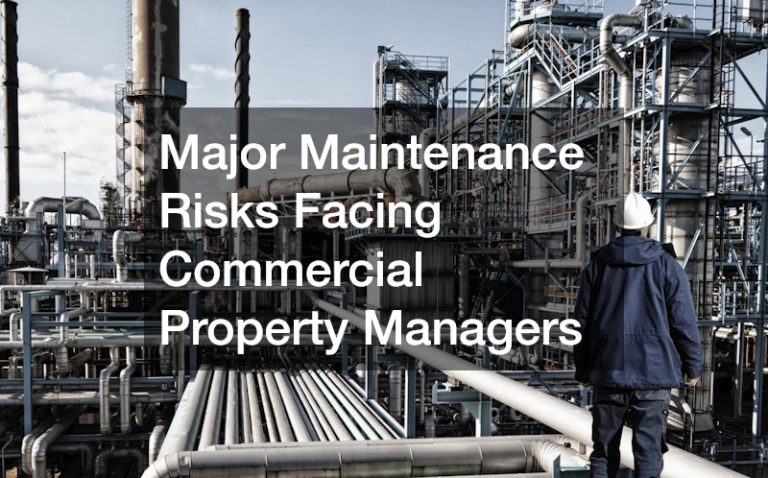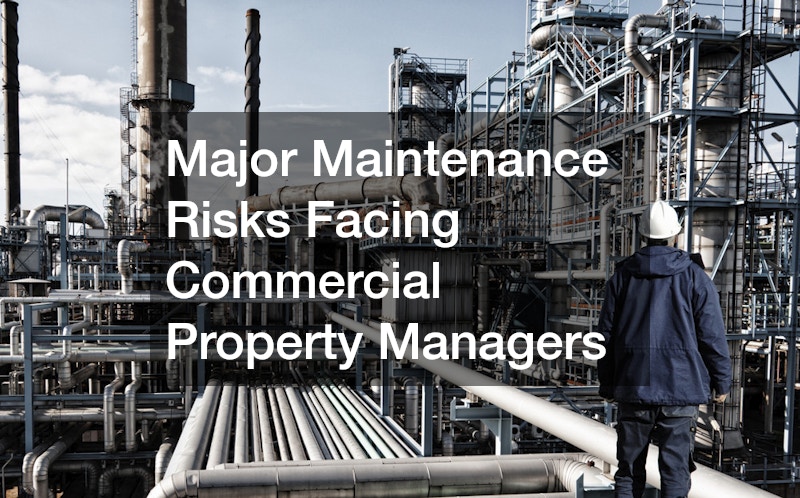
Commercial property managers face a wide range of responsibilities that extend well beyond responding to visible maintenance problems. Buildings, parking areas, storage spaces, drainage systems, roofs, structural components, and exterior surfaces all require attention to keep a property functional and suitable for business operations. When maintenance is postponed or handled reactively, relatively minor defects can develop into disruptions that affect employees, customers, tenants, inventory, and daily productivity.
The challenge is often deciding which issues deserve immediate attention and which can be incorporated into a longer-term maintenance schedule. Property managers must consider the property’s age, usage, construction, environmental exposure, occupancy, and future business needs when establishing priorities. They also need to consider how maintenance decisions could affect ongoing operations and future improvement plans.
A proactive strategy can help businesses identify vulnerabilities before they become urgent problems. The following maintenance considerations can help property managers protect commercial assets, coordinate improvements, and make more informed decisions about the property’s long-term needs. Taking these steps can also help businesses manage maintenance resources more effectively over time.
Prioritize Exterior Surfaces Before Small Defects Spread
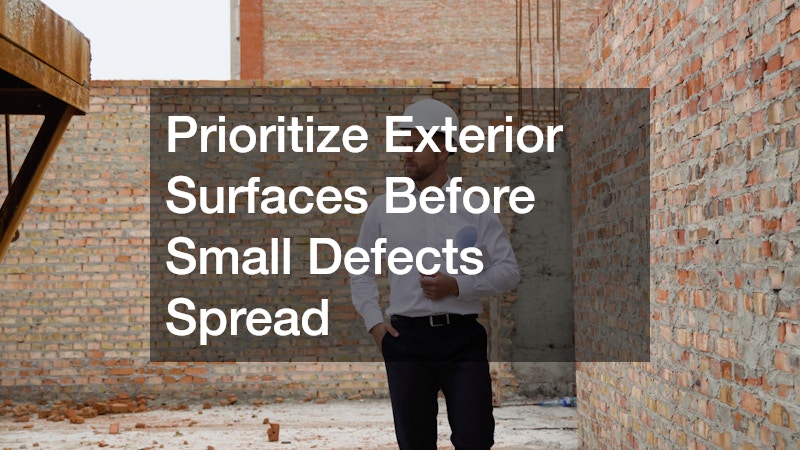
Parking lots, driveways, loading areas, sidewalks, and other paved surfaces can experience significant wear from vehicles, weather, deliveries, and daily foot traffic. Commercial paving contractors can help property managers address deterioration before damaged surfaces interfere with access or create larger maintenance concerns.
Regular inspections are important because pavement problems can change considerably over time. A small crack may become wider, while potholes, uneven areas, or drainage problems can become increasingly difficult to manage. Property managers should document conditions rather than relying on occasional visual observations.
Useful maintenance practices include:
- Inspect high-traffic areas on a recurring schedule.
- Document cracks, potholes, surface deterioration, and drainage concerns.
- Pay particular attention to loading zones and heavily used entrances.
- Prioritize defects based on severity and location.
- Keep records of previous repairs and recurring problem areas.
Property managers should also consider how pavement maintenance fits into other planned improvements. Coordinating surface work with drainage, landscaping, utility, or construction projects can reduce unnecessary disruption and make better use of scheduled maintenance periods. This coordination can also help prevent completed work from being damaged by subsequent projects.
Build Environmental Protection Into Routine Site Management
Commercial properties can generate runoff containing sediment, debris, chemicals, oil, and other pollutants. Stormwater pollution prevention should therefore be considered part of routine property management, particularly when businesses conduct construction, landscaping, material handling, vehicle maintenance, or other activities that can affect outdoor surfaces.
The most effective approach is to identify potential sources before they become problems. Drainage areas, storage locations, waste collection points, and areas where vehicles operate should receive particular attention. Employees and contractors should also understand how everyday activities can affect runoff.
Property managers can strengthen site practices by:
- Inspecting drainage pathways regularly.
- Keeping potentially harmful materials away from storm drains.
- Maintaining appropriate erosion and sediment controls.
- Establishing procedures for responding to spills.
- Training employees and contractors on proper site practices.
These measures can also help property managers recognize changes in drainage patterns or surface conditions. Keeping outdoor areas orderly and monitoring runoff pathways can support both property maintenance and responsible environmental management. Regular observations can also help identify developing issues before they require more extensive corrective work.
Protect High-Value Surfaces From Preventable Damage
Commercial vehicles, equipment, machinery, doors, fixtures, and other painted assets can experience repeated exposure to dirt, road debris, weather, chemicals, and physical contact. Paint protection films may provide a useful protective option for selected surfaces that face particularly high levels of wear.
Property managers should first determine which assets are most vulnerable. Applying protection indiscriminately may not be necessary, while ignoring frequently damaged surfaces can lead to recurring maintenance work. High-value equipment and highly visible assets may deserve greater consideration.
A practical evaluation can include:
- Identifying surfaces exposed to frequent abrasion or debris.
- Reviewing which assets experience repeated cosmetic damage.
- Considering environmental and operational conditions.
- Evaluating protective materials according to the application.
- Inspecting protected areas periodically for deterioration.
Surface protection should complement broader asset management rather than replace routine care. Property managers can review recurring damage patterns to determine whether additional protection, operational changes, or maintenance adjustments could reduce unnecessary wear over time. This ongoing review can help businesses protect valuable assets while keeping maintenance needs manageable.
Prevent Sanitation Problems Through Consistent Infrastructure Maintenance
Commercial properties that rely on private wastewater systems require consistent attention to prevent disruptive sanitation problems. A septic tank clean out can be an important component of maintaining an appropriately serviced system, although the timing and frequency of maintenance depend on factors such as system design, usage, capacity, and professional recommendations.
Property managers should maintain clear service records and monitor the surrounding property for changes that could indicate an issue. Slow drains, unusual odors, backups, or unusually wet areas can warrant further evaluation rather than being dismissed as isolated incidents.
Important management practices include:
- Keep records of inspections and previous service.
- Monitor the area around wastewater infrastructure.
- Consider changes in occupancy or water usage.
- Avoid practices that can introduce unsuitable materials into the system.
- Address unusual drainage or wastewater symptoms promptly.
Commercial operations can be particularly vulnerable to wastewater disruptions because employees, customers, and tenants depend on functioning facilities. Incorporating wastewater infrastructure into the property’s preventive maintenance program can help managers identify concerns before they interfere with normal operations.
Plan Structural Improvements Around Long-Term Property Needs
Structural decisions can influence how effectively a commercial property serves a business for years. Steel frame builders may be involved when businesses develop new structures or plan major improvements, making it important for property managers to consider current operations alongside future requirements.
A building designed only around today’s needs may become restrictive if the company expands, adds equipment, changes workflows, or requires additional storage. Structural planning should therefore account for foreseeable changes without adding unnecessary complexity to the project.
Before major structural work, property managers should:
- Define current and projected space requirements.
- Identify equipment and operational needs.
- Consider potential future expansion.
- Review how maintenance personnel will access critical areas.
- Coordinate structural planning with business operations.
Maintenance accessibility deserves particular attention. Equipment, utilities, exterior components, and other systems should be considered from the perspective of future inspection and service needs. Thinking about these requirements during planning can help create a facility that remains practical as business operations evolve.
Optimize Storage Layouts Without Compromising Accessibility
Warehouse storage systems can have a direct effect on productivity, inventory organization, and employee movement. A warehouse rack should be selected and positioned according to the property’s available space, inventory characteristics, equipment, and workflow rather than simply maximizing storage capacity.
Poorly arranged storage can create bottlenecks and make frequently accessed inventory difficult to reach. It can also interfere with vehicle movement, employee pathways, or access to other building systems. Property managers should periodically review whether the existing arrangement still reflects operational needs.
A storage review can include:
- Assessing how inventory moves through the facility.
- Positioning frequently accessed products in practical locations.
- Reviewing opportunities to use available vertical space.
- Maintaining clear travel and work areas.
- Reassessing storage as inventory requirements change.
Storage planning should balance capacity with accessibility. A layout that holds more inventory but makes movement slower may not provide a meaningful operational advantage. Regular reviews can help businesses adapt storage areas as product volumes, equipment, staffing, and workflows change. This can help property managers maintain an efficient storage environment as operational demands evolve.
Evaluate Roof Materials Based on Operational Demands

A commercial roof must withstand weather exposure while supporting the needs of the building beneath it. Metal roofing can be an option for certain commercial applications, but property managers should evaluate roofing materials based on the building’s design, climate, maintenance requirements, rooftop equipment, and long-term plans.
Roof performance can also be affected by penetrations, drainage components, seams, flashing, equipment installations, and accumulated debris. Regular inspections can help property managers identify changes before water intrusion affects occupied areas or stored materials.
Managers should incorporate the following practices:
- Inspect roof surfaces and drainage components regularly.
- Document corrosion, damage, leaks, and visible deterioration.
- Review areas surrounding rooftop equipment and penetrations.
- Keep drainage systems clear of debris.
- Coordinate roof work with other planned improvements.
Roofing decisions should extend beyond the initial installation. Property managers should maintain records of inspections, repairs, and recurring concerns. A documented maintenance history can help identify patterns and support better decisions when repairs or future upgrades become necessary.
Establish a Preventive Roof Inspection and Repair Plan
Roof problems are not always immediately visible from inside a commercial building. Water intrusion may first develop around seams, penetrations, flashing, drainage points, or other vulnerable areas. A roofing company can assist with professional evaluations and repairs when property managers identify concerns requiring specialized attention.
Waiting until interior damage appears can make a roofing issue more disruptive. Property managers should establish inspection routines based on the building’s age, roof system, environmental exposure, and previous maintenance history.
A preventive approach should include:
- Scheduling recurring roof inspections.
- Checking seams, edges, penetrations, and drainage areas.
- Documenting changes in roof condition.
- Addressing minor defects before they affect interior spaces.
- Coordinating repairs around business activities and weather conditions.
Property managers should also maintain a record of completed work. Documentation can make it easier to identify recurring problem areas, understand how the roof has performed over time, and plan future maintenance. This approach can help businesses manage roofing concerns before they interfere with employees, tenants, inventory, or daily operations.
Keep Exterior Areas Clean Without Disrupting Operations
Commercial exteriors accumulate dirt, oil, algae, grime, dust, and other contaminants through normal use and environmental exposure. Pressure washing services can support routine exterior maintenance for areas such as sidewalks, loading zones, parking areas, building facades, and other heavily used surfaces.
Cleaning requirements vary depending on the property’s location, business activity, traffic volume, surface materials, and weather exposure. Property managers should identify areas where buildup occurs regularly and establish an appropriate maintenance schedule rather than waiting until surfaces become heavily soiled.
Effective planning can include:
- Identifying exterior areas requiring recurring cleaning.
- Scheduling work during lower-traffic periods.
- Protecting landscaping and sensitive surfaces.
- Coordinating cleaning with other exterior maintenance.
- Documenting recurring stains or unusual buildup.
Cleaning can also provide an opportunity to notice developing property issues. Persistent staining, standing water, surface deterioration, or unusual buildup may warrant further investigation. Integrating exterior cleaning with routine inspections can give property managers a clearer understanding of changing site conditions.
Align Building Design With Future Business Requirements
Commercial buildings need to support present operations while providing enough flexibility for future changes. A commercial metal building, for example, may need to accommodate equipment, storage, employee work areas, utilities, vehicle access, and potential expansion depending on the business’s activities.
Property managers should consider how the facility could need to change over time. Growth, new equipment, shifts in inventory, changes in workflow, or expanded services can all affect space requirements. Designing around only immediate needs may make future modifications more complicated.
Long-term planning should address:
- Current operational requirements and anticipated growth.
- Potential expansion opportunities.
- Utility and equipment access.
- Interior layout flexibility.
- Future maintenance and service requirements.
The objective is not to predict every future change. Instead, managers should identify foreseeable requirements and avoid decisions that unnecessarily restrict the property’s usefulness. Flexible planning can give businesses more options when operations evolve, helping the facility continue supporting organizational goals rather than becoming a limitation.
Commercial property maintenance is an ongoing responsibility that requires more than responding to problems as they appear. Pavement, drainage, exterior surfaces, wastewater infrastructure, structural components, storage areas, roofing systems, and building design can all influence how effectively a property supports daily business activities.
Property managers can reduce many maintenance risks by establishing inspection routines, documenting changing conditions, prioritizing recurring problems, and coordinating improvements with operational schedules. Preventive planning can also make it easier to identify where professional services or larger capital improvements may be appropriate.
A strong maintenance strategy should account for both immediate concerns and long-term property requirements. By treating maintenance as part of broader facility management, businesses can protect important assets, minimize avoidable disruptions, and maintain spaces that continue to support employees, customers, tenants, inventory, and overall operations.
About the Author